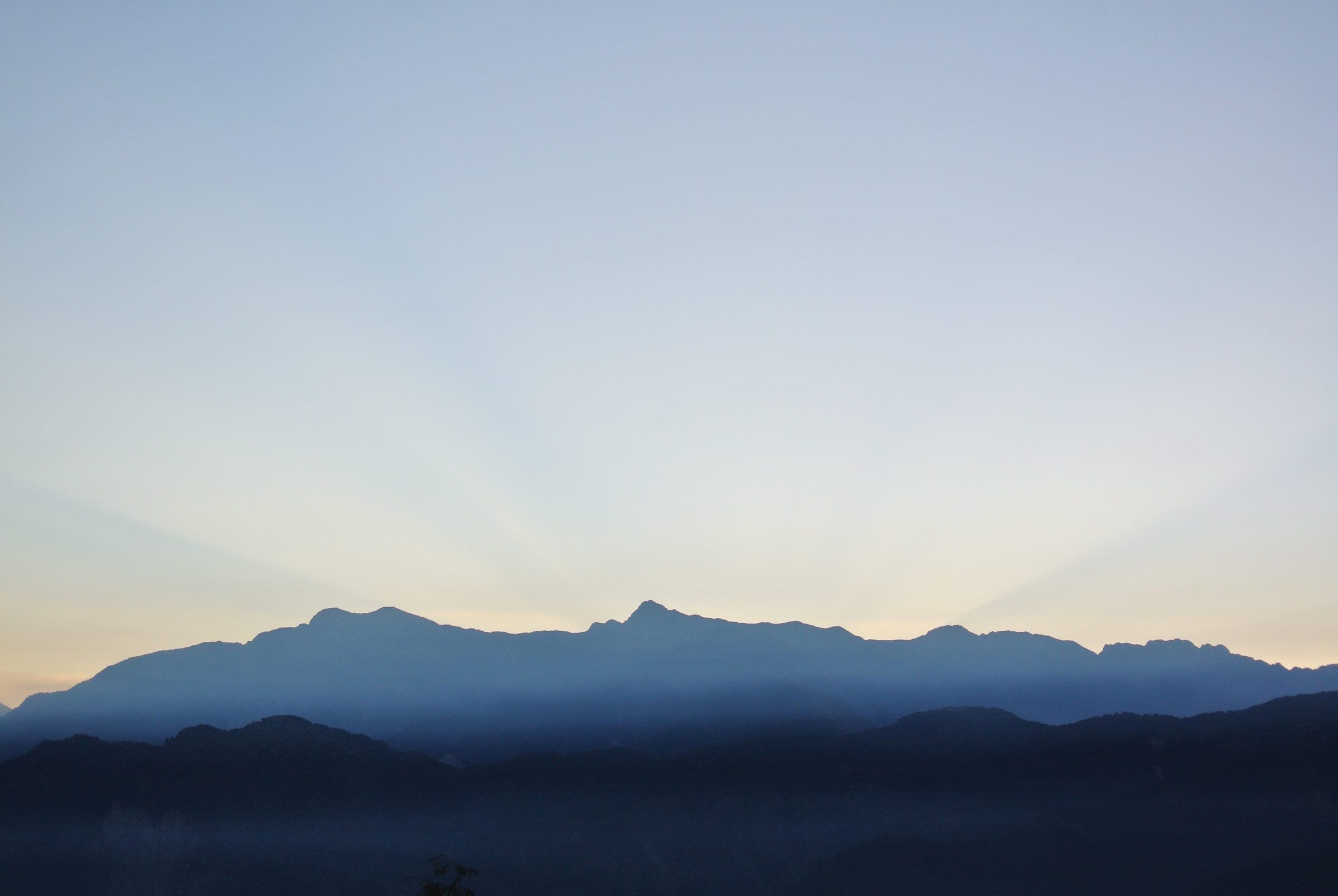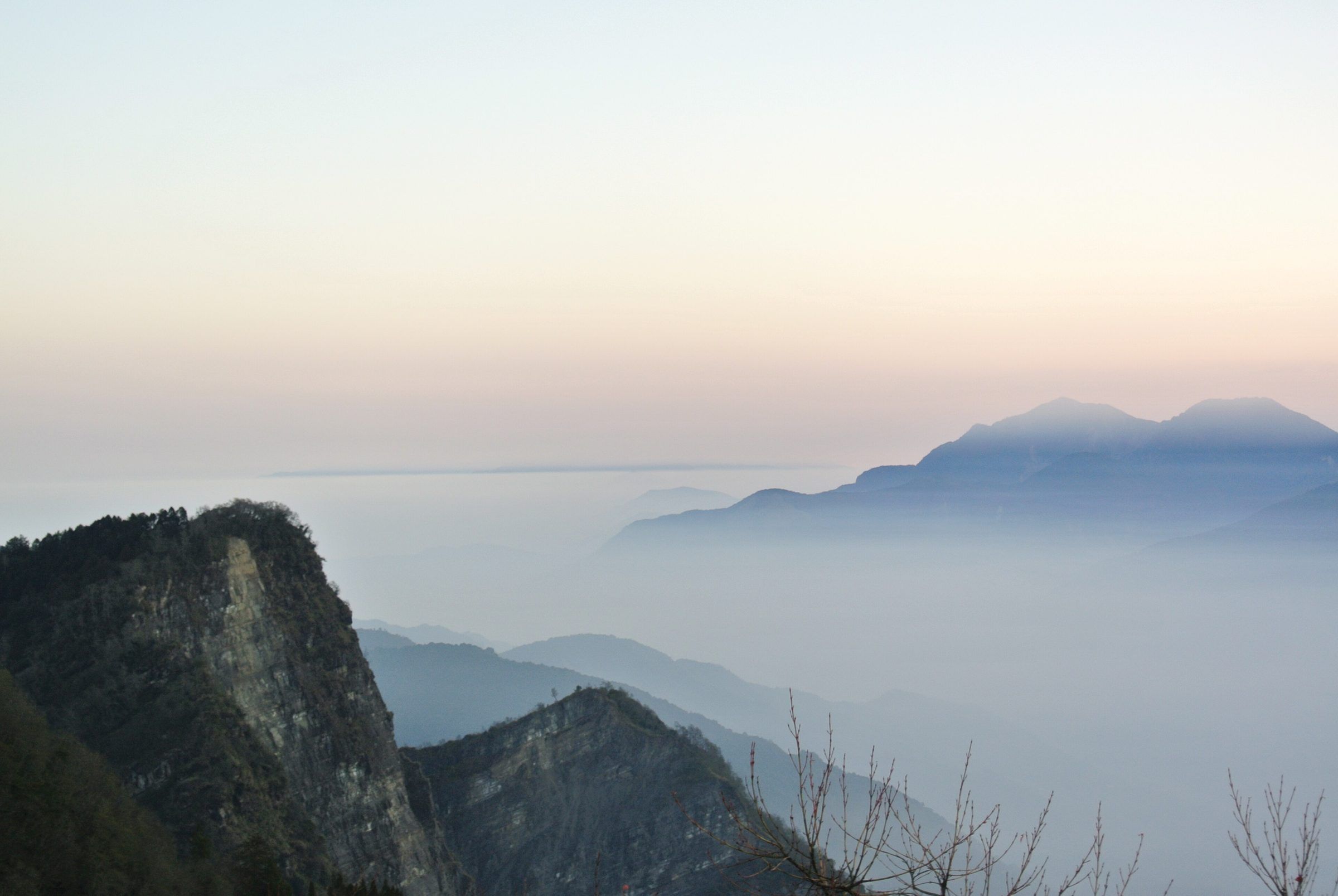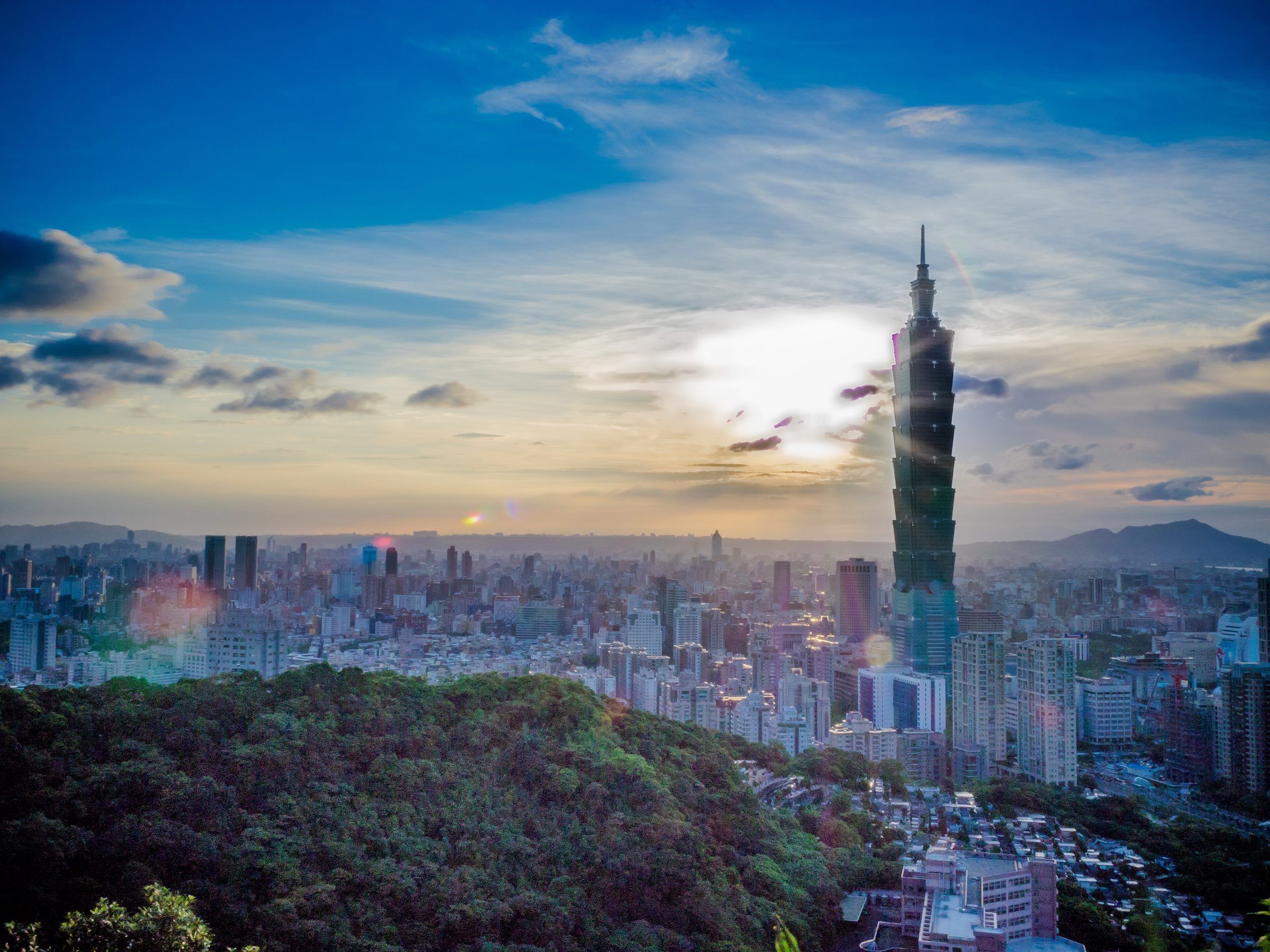
A bespoke Taiwan tea tour offers private, behind-the-scenes access to world-renowned tea estates across Pinglin, Alishan, and Sun Moon Lake, guided by licensed tea specialists and certified sensory evaluators (評茶師). Unlike commercial group tours that visit tourist shops, a private tea journey takes connoisseurs into high-altitude mountain terraces (1,200m–2,200m elevation), provides hands-on leaf picking and roasting demonstrations, and curates formal gongfu tea tastings of rare vintages: floral Wenshan Baozhong, roasted Dong Ding Oolong, sweet Oriental Beauty, and creamy Alishan High Mountain Oolong. The optimal seasons for tea travel are the Spring Harvest (mid-April to early May) and the Winter Harvest (late October to mid-November).
“True high-mountain oolong cannot be faked. Above 1,000 meters in Alishan, afternoon cloud cover creates the sweet, lingering "hui gan" throat echo that tea masters spend lifetimes studying. Visiting the grower directly connects you to that living craftsmanship.”
Master Chen Te-Sheng — Chief Sensory Evaluator (評茶師), Tea and Beverage Research Station (TRES)(Taiwan Specialty Tea Sensory Evaluation Guidelines)
Taiwan’s world of tea: elevation, microclimates and the 5 iconic terroirs
Taiwan is regarded by tea sommeliers as the world’s premier producer of fine oolong. The island’s unique geography—a sub-tropical climate crossed by an alpine mountain spine rising over 3,000 meters—creates perpetual afternoon cloud belts (雲霧帶). This dense mountain mist diffuses sunlight, lowering bitter catechin tannins and concentrating sweet amino acids (theanine) in the succulent tea leaves.
Under classification standards maintained by the Tea and Beverage Research Station (TRES 農業部茶及飲料作物改良場), five classic Taiwanese terroirs stand above all others:
- Wenshan Baozhong (文山包種茶, Pinglin): Grown in the emerald hills just 40 minutes southeast of Taipei. Lightly oxidized (12–18%) with twisted, dark jade leaves, Baozhong yields an intoxicating, ethereal aroma of white lilacs and orchids with a crystal-clean broth.
- High Mountain Oolong / Gaoshan Cha (高山烏龍茶, Alishan, Shanlinxi, Lishan): By official Taiwanese agricultural definition, "Gaoshan Cha" must be cultivated at elevations exceeding 1,000 meters. Grown at 1,200m to 2,200m, these tight, hand-rolled pearls brew a golden liquor with notes of fresh gardenia, alpine pine, a silky buttery mouthfeel, and an enduring sweet throat echo (回甘).
- Oriental Beauty / Dongfang Meiren (東方美人茶 / 白毫烏龍, Hsinchu & Miaoli): Heavily oxidized (65–75%) and unroasted. In early summer, tender young buds are bitten by tiny green leafhoppers (小綠葉蟬, Jacobiasca formosana). The plant’s natural chemical defense mechanism produces extraordinary natural notes of ripe wild muscatel grapes and wildflower honey.
- Dong Ding Oolong (凍頂烏龍茶, Nantou Lugu): Taiwan’s historic medium-oxidized oolong, slow-roasted over fragrant longan wood charcoal (炭焙). It offers a deep amber broth, toasted walnut aromas, and deep, resonant sweetness.
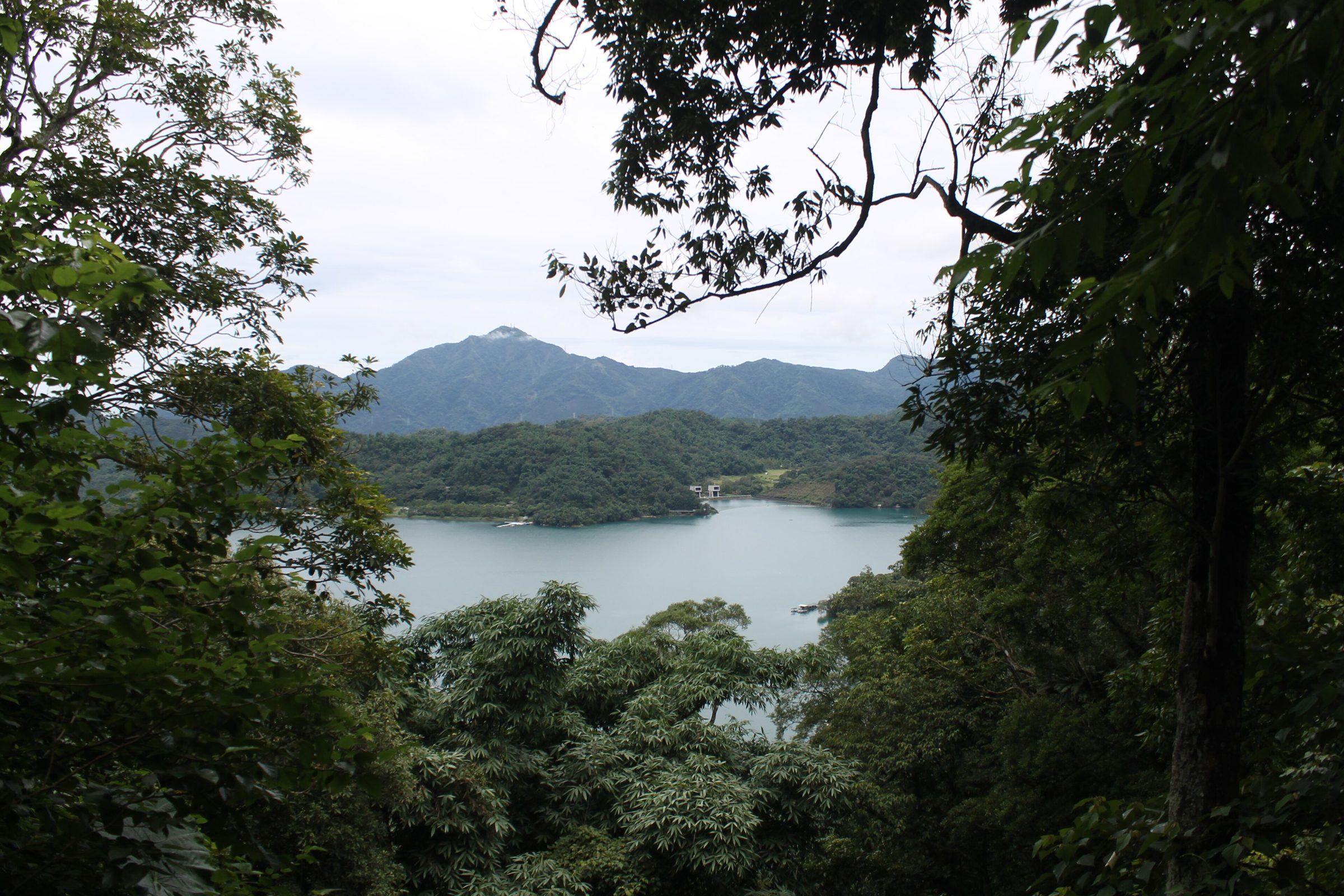
- Sun Moon Lake Ruby Black Tea / Sun Moon Lake No. 18 (台茶18號 紅玉, Yuchi): Cultivated around the mist-shrouded shores of Sun Moon Lake, this celebrated cultivar is a cross between wild native Formosan tea trees and large-leaf Assamica. It produces a coppery red infusion carrying remarkable natural notes of cinnamon, dried mint, and dark berries.
Spring vs Winter harvest: when to plan a private tea journey
While Taiwan’s tea gardens are picturesque year-round, timing your journey to coincide with active harvest and roasting windows offers the ultimate sensory immersion:
- Spring Harvest (春茶, mid-April to early May): Following winter dormancy, tender spring flushes are hand-plucked during cool mountain mornings. Spring oolongs exhibit explosive, vibrant floral aromatics, high vitality, and sweet delicacy.
- Winter Harvest (冬茶, late October to mid-November): Slower growth under dropping autumn temperatures produces thicker leaves with concentrated essential oils. Winter teas are renowned for their buttery texture, rich mouthfeel, and extraordinarily smooth finish.
- Early Summer (June to July): The exclusive season for Oriental Beauty in Hsinchu, when leafhopper insect activity peaks before monsoon rains.
Inside an authentic private estate visit: beyond commercial souvenir shops
Commercial tour operators in Taiwan frequently steer tourists into downtown tea shops with high markups and commission kickbacks. A genuine private tea journey with Taiwan Private Tours is fundamentally different:
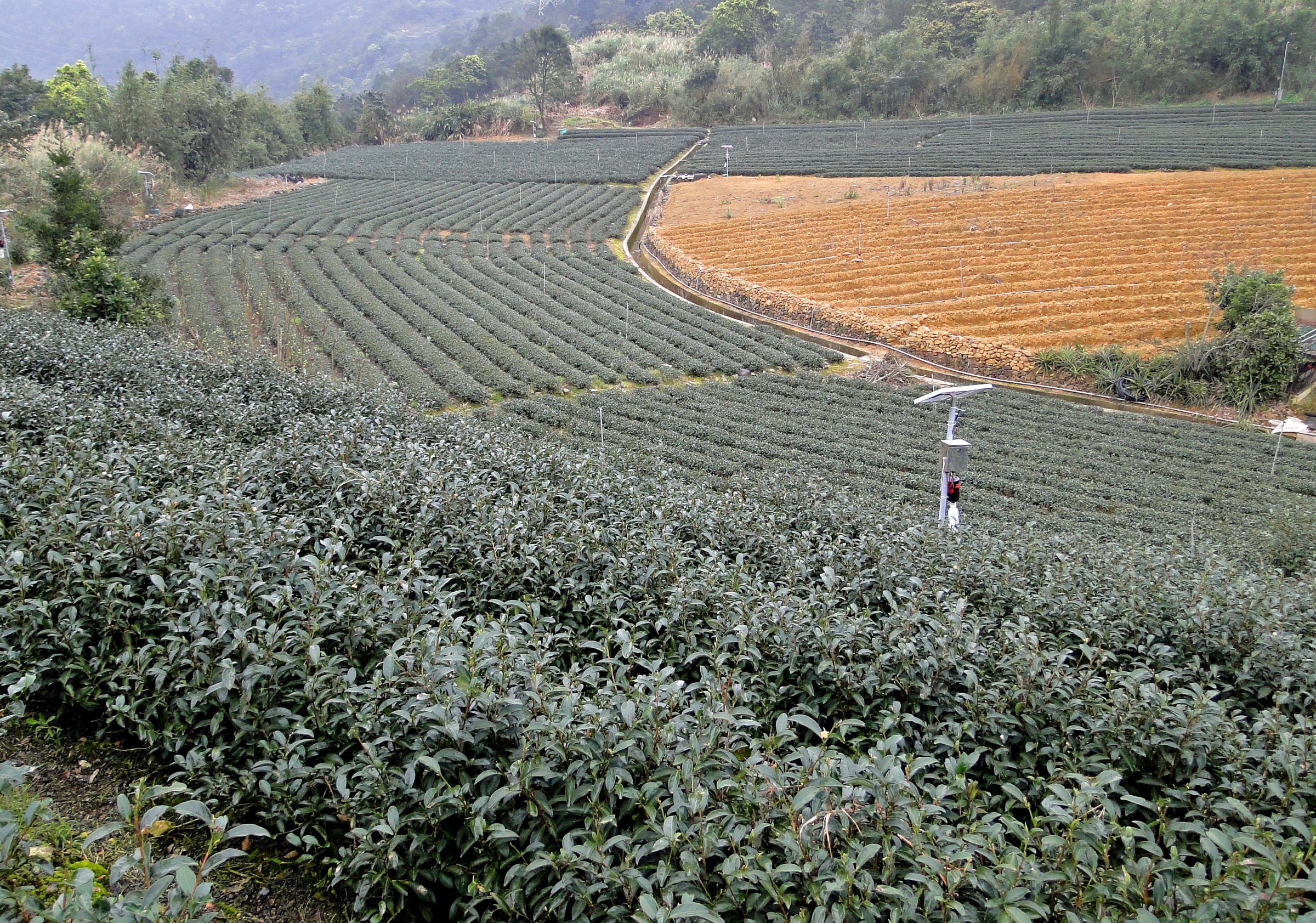
- Direct plantation walks: Stroll alongside third-generation tea farmers along steep terrace rows, learning to identify the classic "one bud, two leaves" (一心二葉) hand-plucking standard.
- Witnessing the artisanal craft: Step into the tea processing barn during harvest to inhale the floral fragrance released during solar withering (日光萎凋), hear the rhythm of bamboo tossing trays (浪茶), and observe pan-firing (炒青) to halt oxidation.
- Professional cupping session: Experience an official 110ml porcelain cupping evaluation conducted under TRES standards, learning how sensory evaluators score dry leaf appearance, liquor clarity, aroma dissipation, and wet leaf elasticity on a 100-point scale.
Gongfu tea tasting ritual: appreciation etiquette and tasting vocabulary
Drinking fine tea in Taiwan is a contemplative art form known as Gongfu Cha (功夫茶). In an estate tea pavilion, your master presents the ceremony step-by-step:
- The scent cup (聞香杯): After hot water is poured over the leaves in a purple clay Yixing pot and transferred to the pitcher, the tea is poured into a tall, slender scent cup. Roll the inverted empty cup between your palms and inhale deeply: warm orchid notes give way to sweet caramel as the ceramic cools.
- Evaluating "Hui Gan" (回甘): True high-mountain oolong should never feel bitter. Take a small sip with a gentle slurp to aerate the liquor across the palate. Within seconds of swallowing, a cooling, lingering sweetness returns to the back of the throat.
- Multiple infusions: Premium high-altitude leaves unfurl slowly, evolving over six to eight consecutive steepings, each revealing subtle shifts in body and fragrance.
Authenticity safeguards: how to avoid Southeast Asian counterfeits
Due to the high market value of authentic Taiwanese Gaoshan Cha, counterfeit blending is an unfortunate commercial reality in souvenir bazaars, where imported Vietnamese or Indonesian leaves are mislabeled as "Alishan" or "Dayuling".
To guarantee absolute authenticity, we only partner with estates registered under the Ministry of Agriculture’s "Taiwan Tea Traceability System" (臺灣茶葉產地溯源標章). Each canister carries a verifiable QR code linking directly to the farmer’s registration, soil testing reports, and pesticide-free certification. We also introduce guests to official local Farmers’ Association competition winners (農會比賽茶), sealed with tamper-proof government holographic labels.
Frequently asked questions
What makes Taiwan High Mountain Oolong so unique and prized?
High Mountain Oolong (Gaoshan Cha) must grow above 1,000 meters elevation in Taiwan’s central mountains. Dense daily cloud cover filters intense sunlight, reducing bitterness (tannins) and boosting sweet amino acids, producing a silky broth with natural orchid floral aromas and an enduring sweet finish.
When is the best time of year to visit tea plantations in Taiwan?
The two premier seasons are the Spring Harvest (mid-April to early May), celebrated for vibrant floral aromatics, and the Winter Harvest (late October to mid-November), prized for rich, buttery mouthfeel. Summer is best for Oriental Beauty in Hsinchu.
Can beginners with no prior tea knowledge enjoy a private Taiwan tea tour?
Absolutely. A private tea journey is designed for all curiosity levels. Your licensed bilingual guide and welcoming estate hosts explain everything from basic leaf plucking to gentle gongfu tea tasting etiquette in a relaxed, warm atmosphere.
How do you know if Taiwanese tea is authentic and not a cheap import?
Authentic Taiwanese tea carries the official Ministry of Agriculture Traceability QR code (臺灣茶產地溯源標章) or a Farmers’ Association competition seal (農會比賽茶). On our tours, guests purchase tea directly from verified grower families with complete laboratory purity certificates.
How long does a private tea day trip to Pinglin take from Taipei?
Pinglin is conveniently located just 40 minutes southeast of central Taipei via the Xueshan Tunnel on National Freeway 5, making it an ideal, unhurried full-day private excursion including the Pinglin Tea Museum, terraced garden walks, and riverside tastings.
Can we combine a tea tour with Sun Moon Lake and Alishan?
Yes. Our multi-day private journeys seamlessly integrate Sun Moon Lake’s Ruby 18 black tea estates with Alishan’s high-altitude misty oolong plantations along scenic mountain highway corridors.
Sources
Facts on this page were checked on 20 October 2026 against these sources, mostly official Taiwanese government and news sites in Chinese. Hours, prices and road access change; we confirm them again before every trip.
- Tea and Beverage Research Station, Ministry of Agriculture: Taiwan Tea Terroirs & Quality Standards (農業部茶及飲料作物改良場)
- New Taipei City Pinglin Tea Museum: Tea Heritage & Culture (新北市立坪林茶業博物館)
- Ministry of Agriculture: Taiwan Domestic Tea Traceability System (臺灣茶產地溯源標章規範)
- Taiwan Tourism Administration: Regulations Governing Tour Guides (導遊人員管理規則)
- Taiwan Tourism Administration: Jiufen